 Celta Vigo Hub
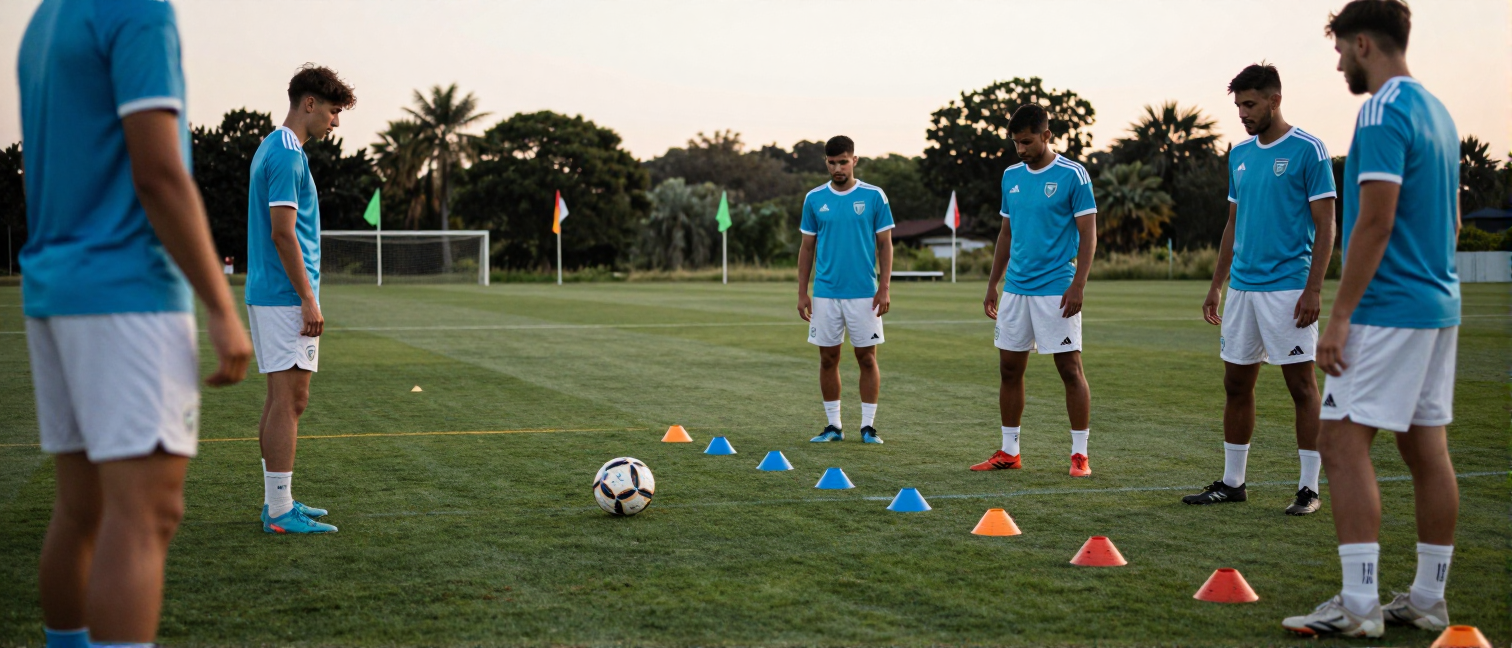
In recent weeks, Celta Vigo has begun to find their rhythm in attack, combining speed and precision that has baffled several defenses. However, despite this improvement, the team still faces challenges in translating territorial dominance into goals. The key lies in adjusting the formation and tactical approach to maximize productivity in the final third of the pitch.
One of the most notable areas in the last game was how Celta utilized the width of the field. The wingers, in particular, have started to make better use of their positions, opening spaces and allowing midfielders to arrive more clearly into the opponent's area. However, the use of full-backs has been somewhat inconsistent. It might be worthwhile to consider a greater integration of full-backs into the attack, allowing them to make more aggressive overlaps and combine with wingers. This would not only increase width but also generate more passing options and runs into dangerous areas.
Additionally, high pressing has been a positive aspect of Celta's game. However, in some matches, the intensity of that pressing has dropped, giving time and space to opposing defenders to reorganize. Maintaining a consistent level of high pressing could help recover the ball quicker and create goal-scoring opportunities from defensive errors of the opponent. To improve this, it would be beneficial to establish a rotation system among forwards and midfielders to ensure everyone participates in pressing, maintaining cohesion and focus on ball recovery.
Another aspect to consider is the combination play in the final third. While Celta has shown flashes of brilliance in their combination movements, they often appear too predictable. Implementing more variations in plays, such as using wall passes and changes of pace in the final meters, could destabilize opposing defenses and open up spaces for finishing. Incorporating a creative player in the midfield line, who can link up with forwards and generate goal-scoring situations, would be crucial in this regard.
Finally, time management and decision-making in counter-attack situations are also vital. Celta has shown, at times, a tendency to rush their transitions, losing valuable opportunities. Encouraging a calmer and more calculated approach during counter-attacks could translate into clearer and more effective goal options. The team needs to work on synchronizing movements and communication to maximize the impact of their counter-attacks.
In conclusion, while Celta Vigo has shown improvements in their attacking play, there are several areas that require tactical adjustments to elevate their performance to the next level. With a focus on integrating full-backs, maintaining constant high pressing, enhancing creativity in the attacking zone, and managing counter-attacks more efficiently, Os Celestes can become a feared offensive force in La Liga.